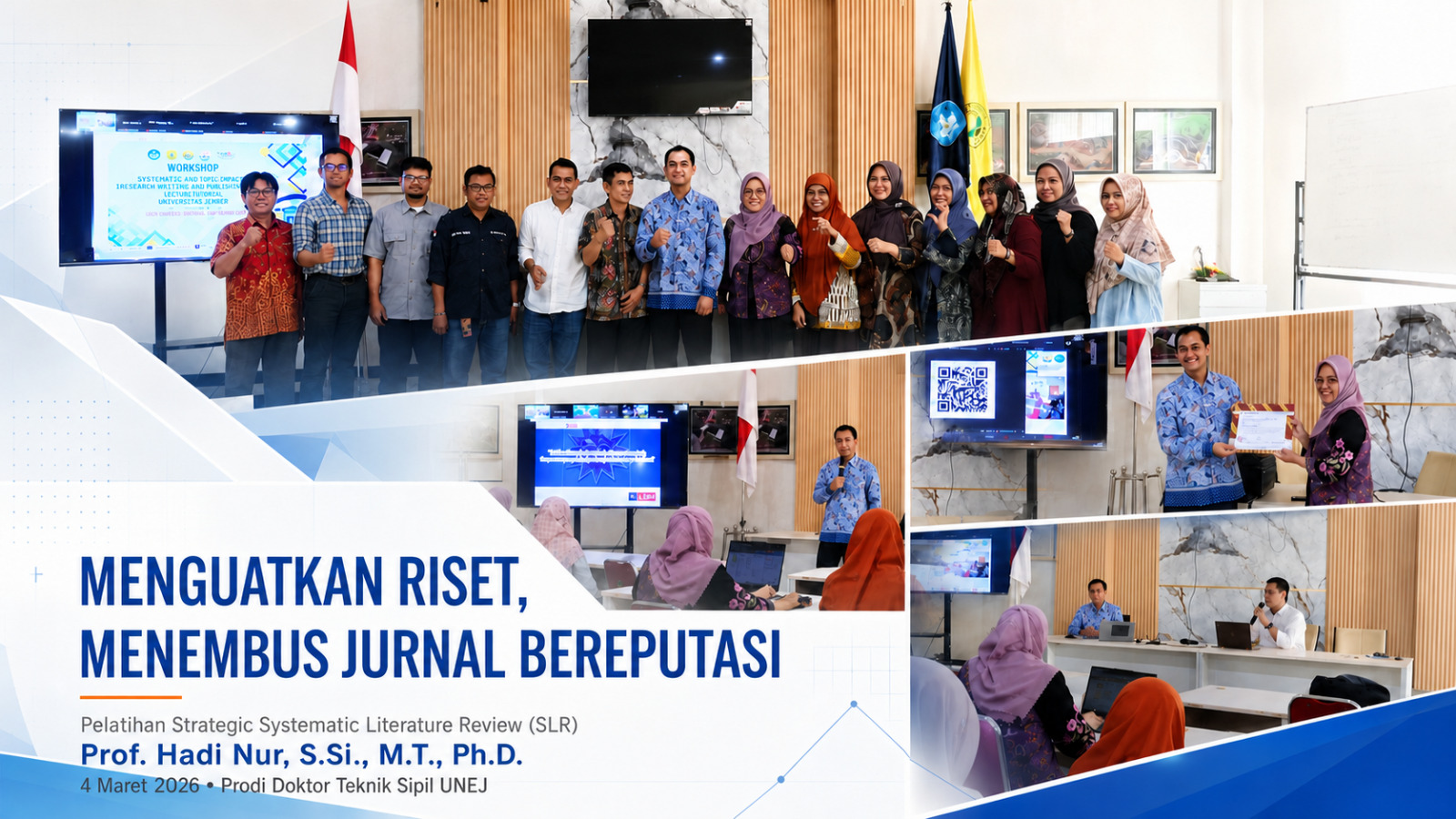
Systematic Evidence to High Impact Publications
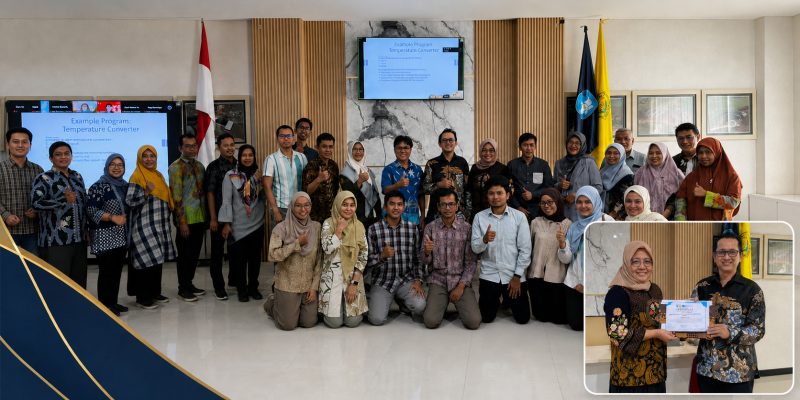
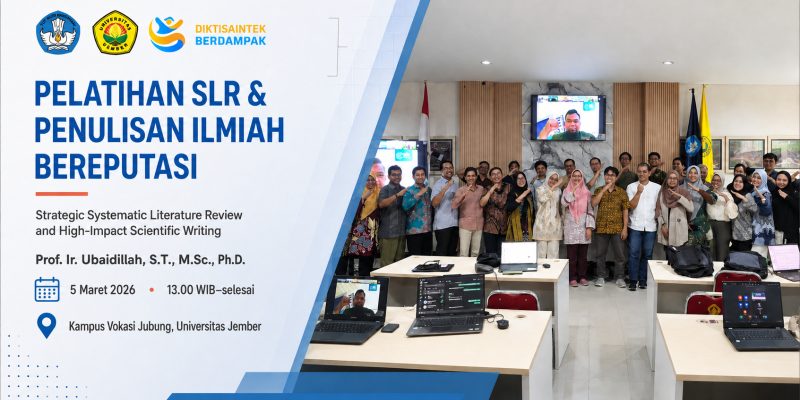
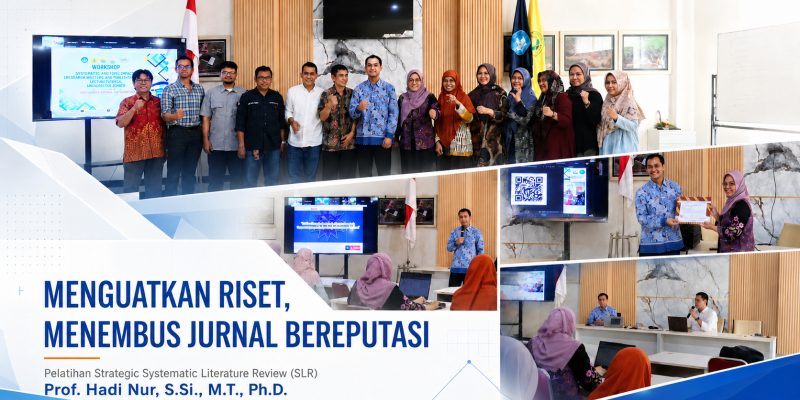
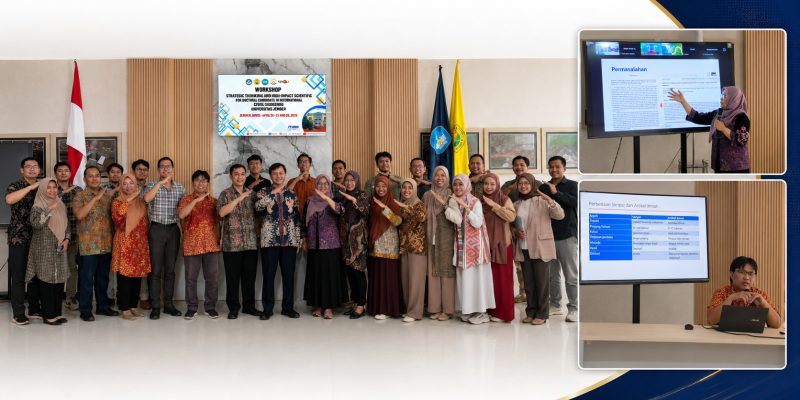
The Doctoral Program in Civil Engineering at Universitas Jember organised a two-day training programme on Strategic Systematic Literature Review (SLR) and High-Impact Scientific Writing for Reputable International Journals on 4–5 March 2026 at the Jubung Vocational Campus, Universitas Jember. The programme featured Prof. Hadi Nur, S.Si., M.T., Ph.D. from Universitas Negeri Malang and Prof. Ir. Ubaidillah, S.T., M.Sc., Ph.D. from Universitas Sebelas Maret. Their participation brought valuable academic perspectives and practical insights into developing rigorous research and communicating its contribution to the international scholarly community. Through presentations, interactive discussions, and writing exercises, participants explored essential stages of academic publishing. The programme addressed systematic literature searching, critical synthesis of previous studies, identification of research gaps, formulation of original contributions, and development of coherent scientific arguments. Participants also strengthened their understanding of manuscript structure and evidence-based discussion. The sessions further examined journal selection, alignment with journal aims and scope, academic integrity, and the editorial and peer-review process.
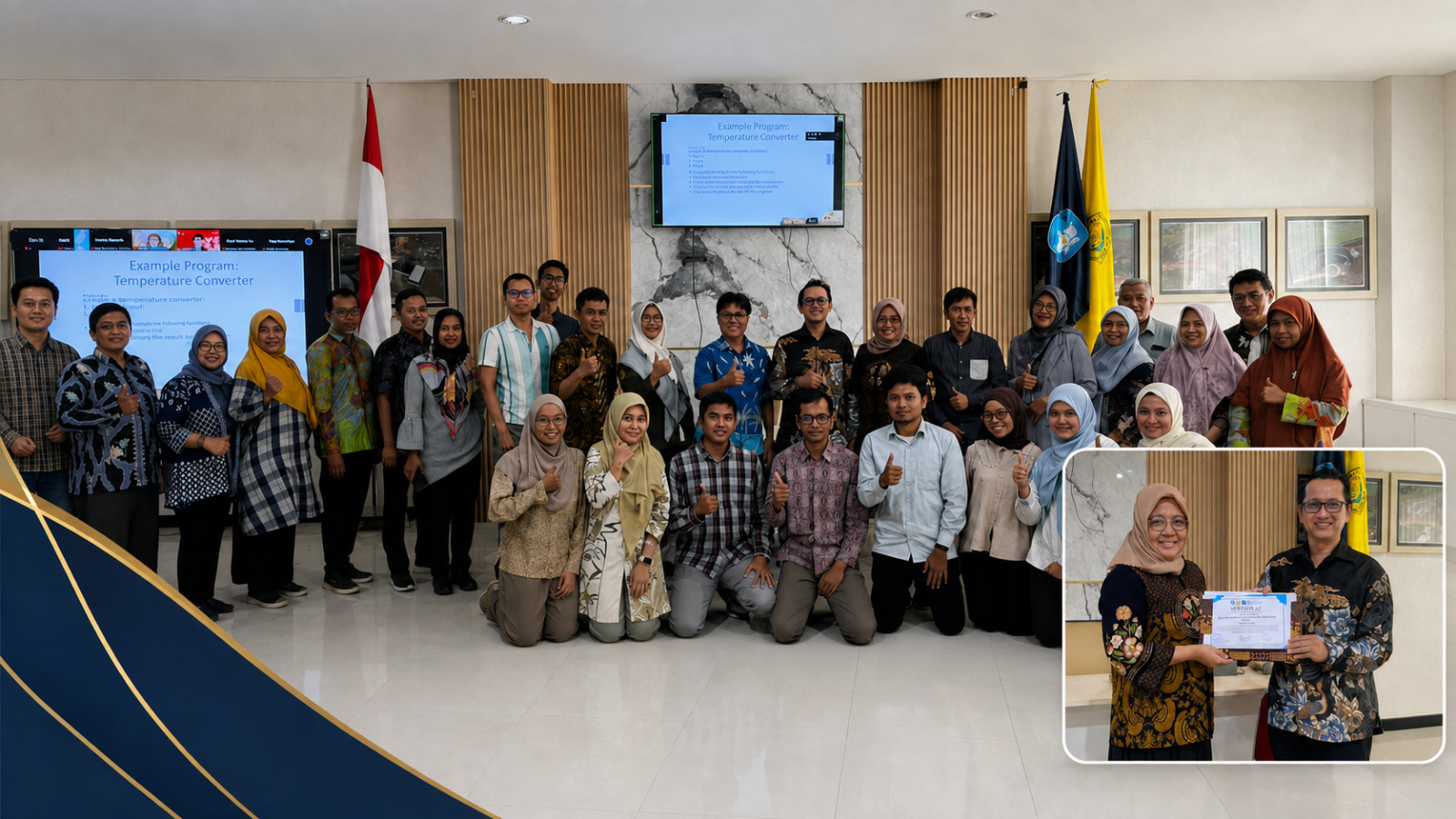
Advancing Civil Engineering Research through Machine Learning
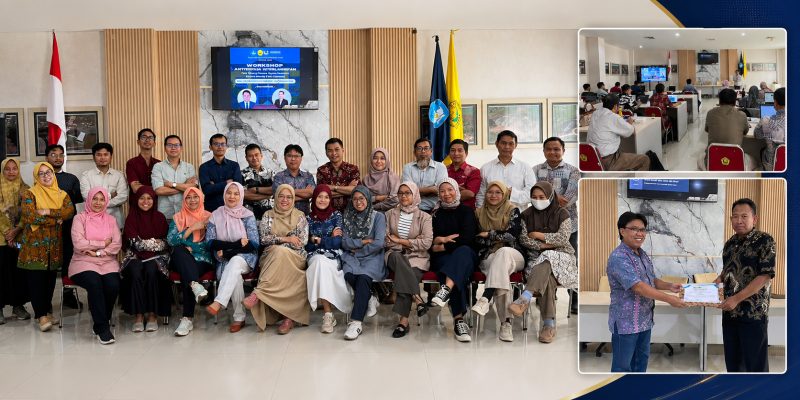
The Doctoral Program in Civil Engineering at Universitas Jember continues to strengthen its future-oriented academic and research environment through a specialized training program entitled “Machine Learning for Civil Engineering.” The training featured two distinguished experts: Dr. Ir. Alexander Agung Santoso Gunawan, S.Si., M.T., M.Sc., IPM., CIRR. from the School of Computer Science, BINUS University, and Prof. Ir. Khairul Anam, S.T., M.T., M.Ag., Ph.D., IPU., ASEAN Eng., Professor of Instrumentation and Control Engineering at the Department of Electrical Engineering, Universitas Jember. Designed for faculty members and doctoral students, the program introduced fundamental concepts and practical applications of machine learning for solving complex civil engineering problems. The two speakers brought complementary expertise in artificial intelligence, data science, machine learning, intelligent systems, instrumentation, and control engineering.
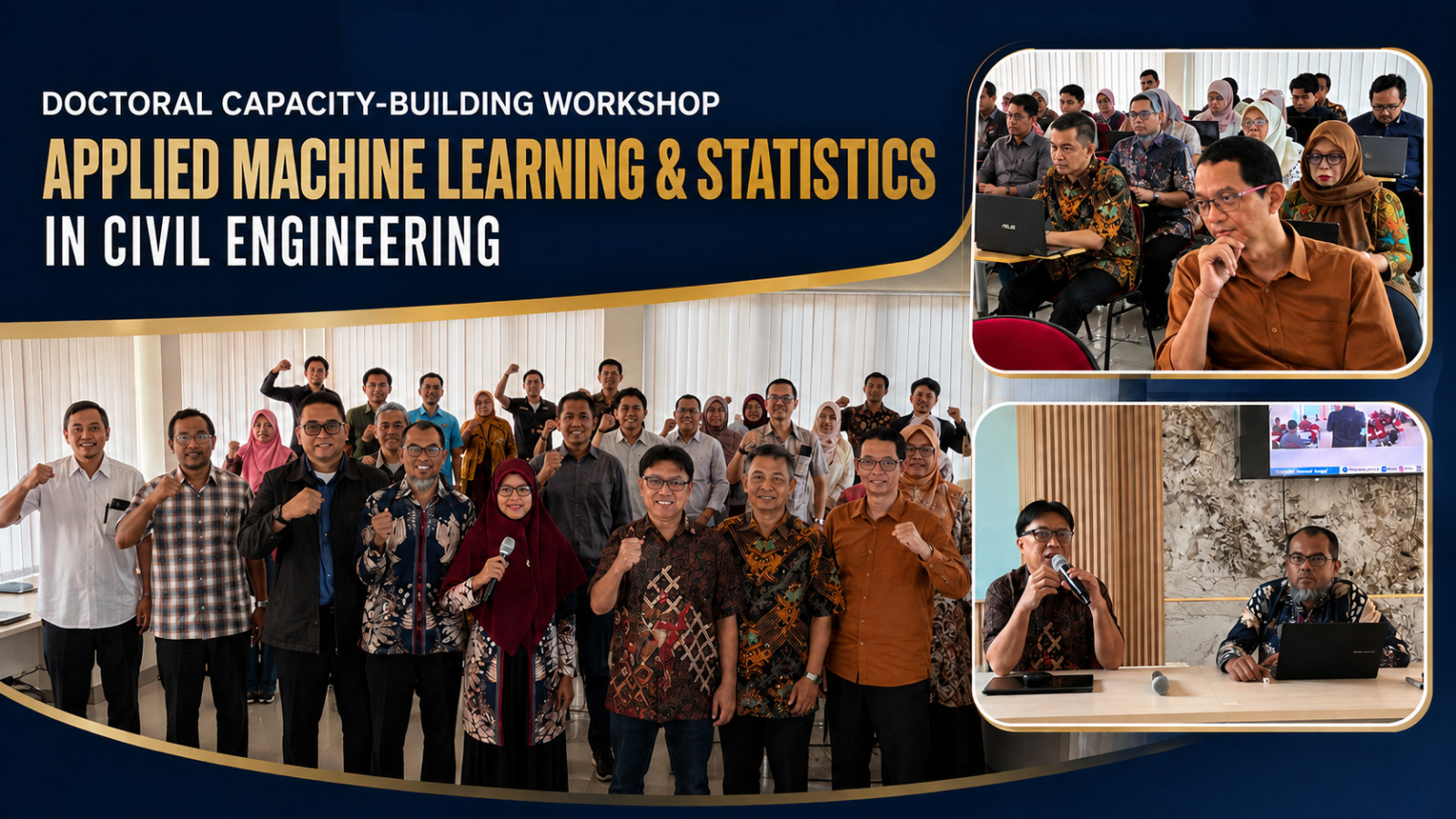
Strengthening Doctoral Research through Applied Machine Learning and Statistics
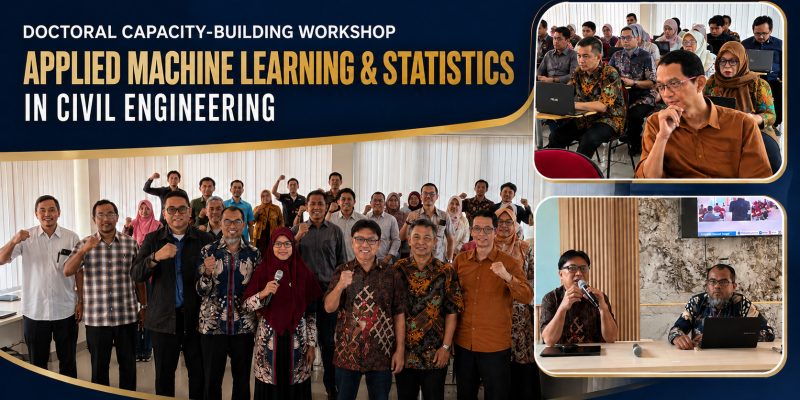
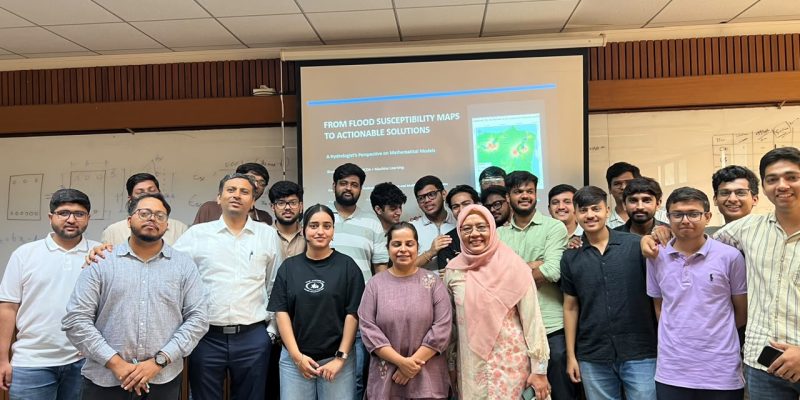
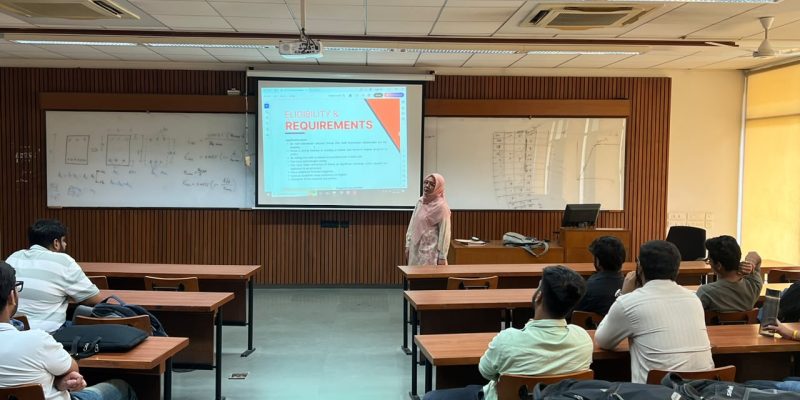
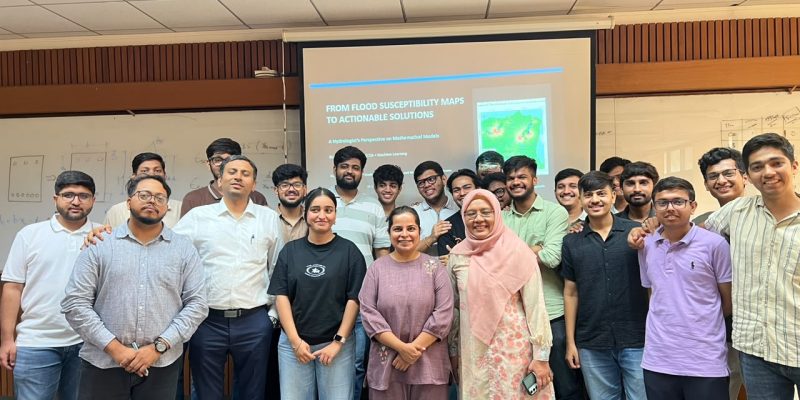
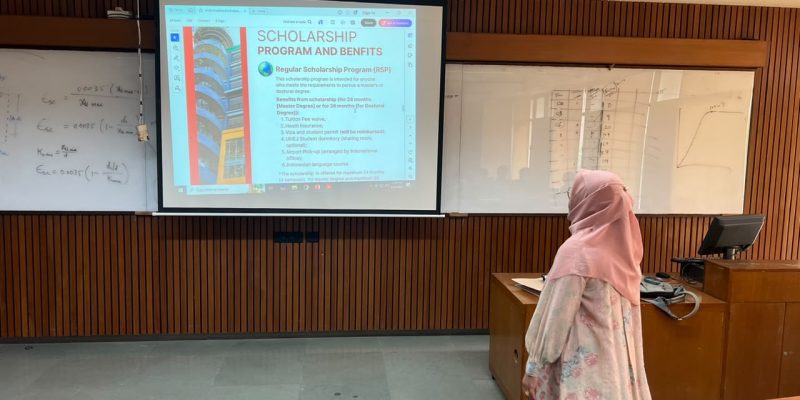
The Doctoral Program in Civil Engineering at Universitas Jember organized an international capacity-building workshop entitled “Applied Machine Learning & Statistics in Civil Engineering.” The workshop featured Abdurrahman, Ph.D., from the Faculty of Engineering, Universitas Jember, Indonesia, and Dr. Kocherlakota Satya Pritam, from Pandit Deendayal Energy University (PDEU), India.
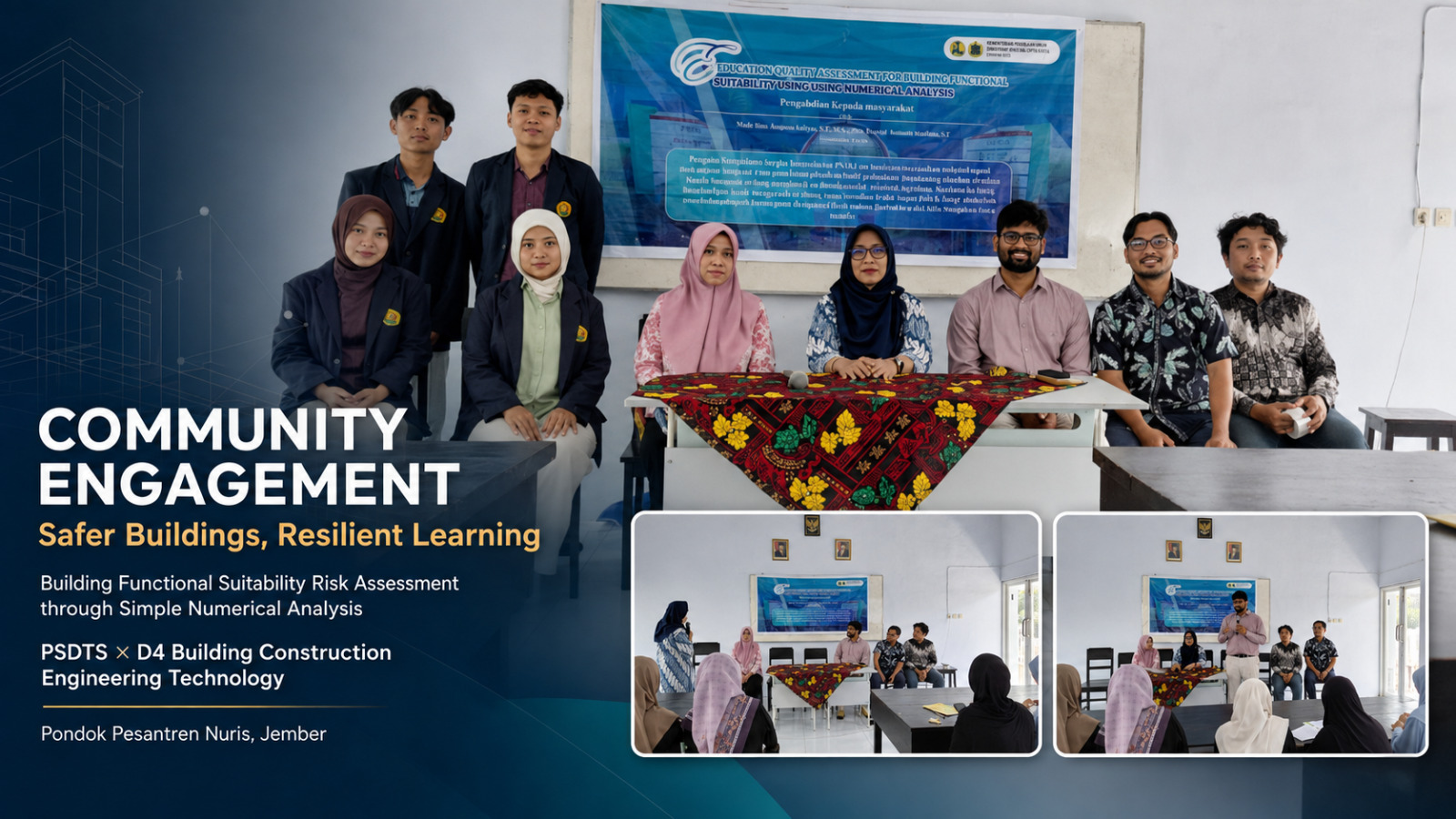
Advancing Safer Learning Environments through Community-Based Building Assessment Universitas Jember’s Civil Engineering Programs
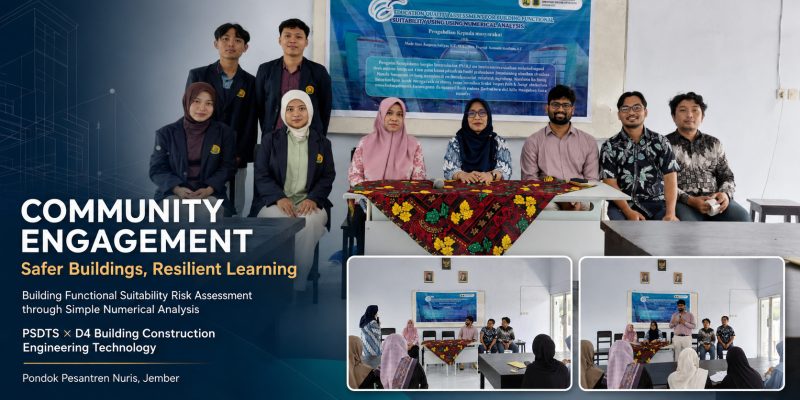
The Doctoral Program in Civil Engineering and the Applied Bachelor’s Program in Building Construction Engineering Technology, Faculty of Engineering, Universitas Jember, conducted a community engagement initiative at Nuris Islamic Boarding School in Jember, Indonesia. Entitled “Education on Preliminary Building Safety and Serviceability Assessment Using Simple Numerical Analysis,” the initiative aimed to strengthen the capacity of the pesantren community to identify early signs of building deterioration and potential safety risks. Participants were introduced to a practical assessment method combining visual inspection with a simple numerical scoring system. The assessment covered essential building components, including foundations, columns, beams, walls, roofs, floors, stairways, evacuation routes, electrical installations, and sanitation facilities. Through interactive presentations, discussions, checklist-based exercises, and numerical simulations, participants learned how to document building conditions, assign condition scores, calculate a preliminary serviceability index, and identify components requiring further attention. The approach enables building managers to recognise visible problems such as wall cracks, roof leakage, reinforcement corrosion, unsafe electrical installations, and obstructed evacuation routes. The multidisciplinary Universitas Jember team included Dr. Ir. Indra Nurtjahjaningtyas, S.T., M.T.; Bagas Rahmandita Subchan, S.T., M.T.; Setiyo Ferdi Yanuar, S.S.T., M.T.; and Ir. Anita Trisiana, S.T., M.T. The international dimension of the program was strengthened by the participation of Dr. Kocherlakota Satya Pritam from Pandit Deendayal Energy University, India, who contributed expertise in applying simple numerical analysis to building-condition assessment.
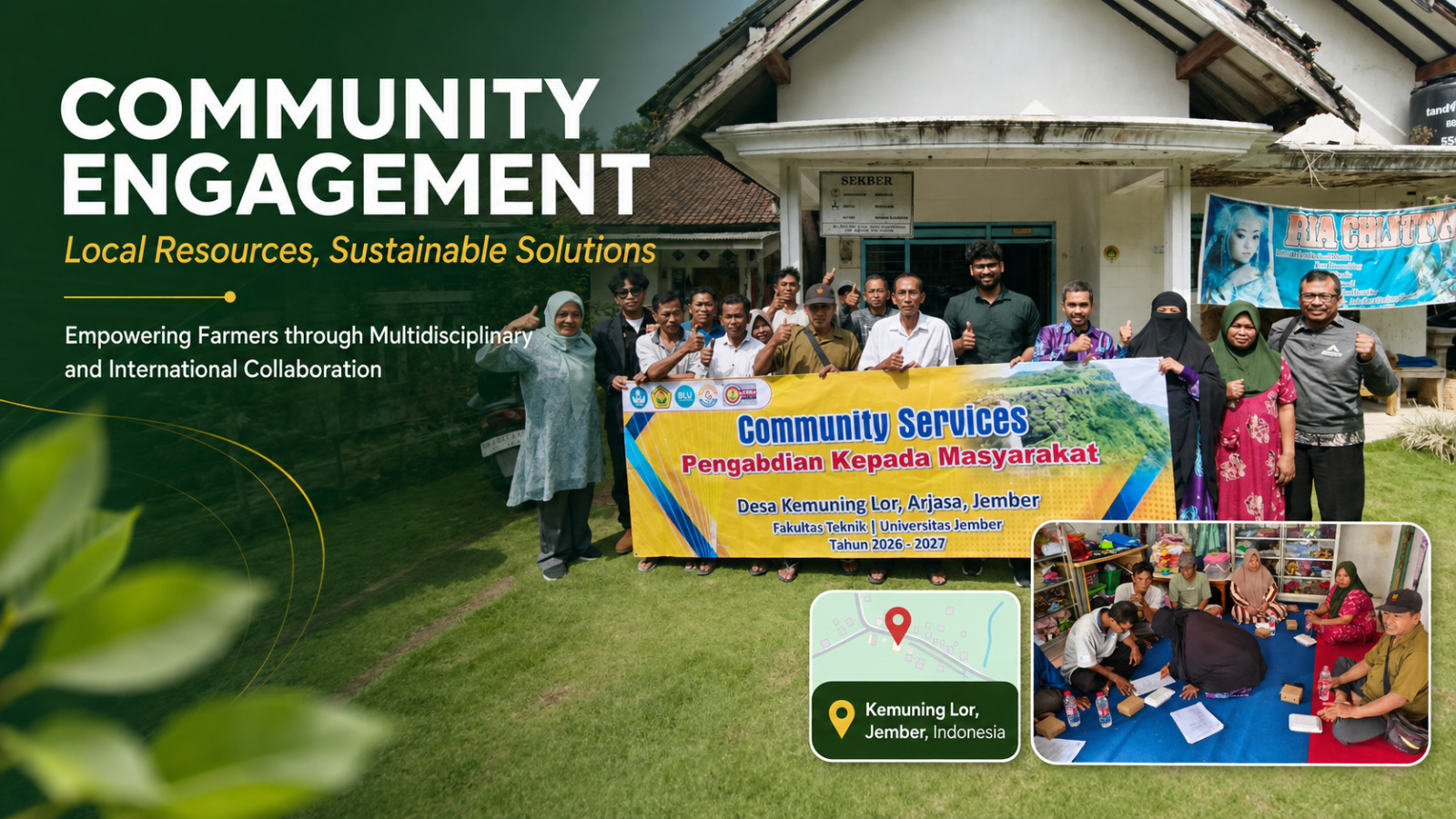
Transforming Local Resources into Sustainable Agricultural Solutions
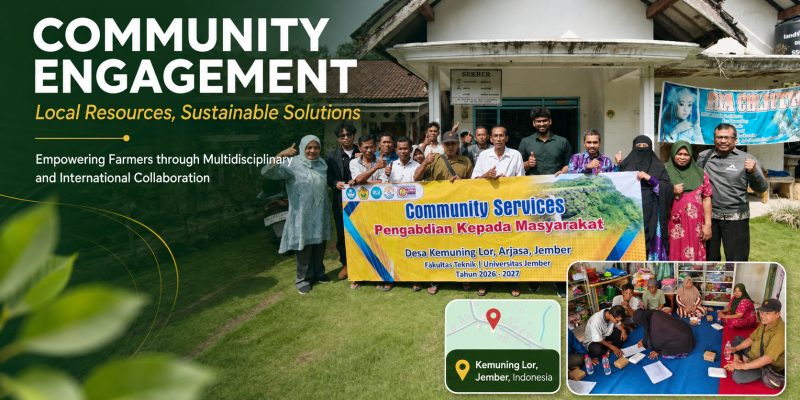
Doctoral Program in Civil Engineering Contributes to an International and Multidisciplinary Community Empowerment Initiative The Doctoral Program in Civil Engineering (PSDTS), Universitas Jember, strengthened its commitment to community-based innovation through a multidisciplinary community engagement program in Kemuning Lor Village, Jember, Indonesia. The initiative empowered local farmers to produce environmentally friendly organic fertilizer using locally available materials, including limestone residue, phosphate, and cattle manure. Representing PSDTS, Prof. Dr. Ir. Entin Hidayah, M.UM., an expert in Water Resources Management, contributed her expertise to a collaborative team comprising specialists in civil and mining engineering, soil science, geophysics, hydrology, geographic information systems, and applied mathematics. The initiative also involved Dr. Pritam Kocherkota from Pandit Deendayal Energy University (PDEU), India, adding an important international dimension to the program. Working directly with members of the Makmur Farmers’ Association, the team delivered practical training on fertilizer production, quality assessment, and application to maize cultivation. Farmers were also encouraged to adopt good agricultural practices and improve farm financial management to better evaluate production costs, productivity, and profitability. Location: Kemuning Lor Village, Arjasa District, Jember, Indonesia Community Partner: Makmur Farmers’ Association International Partner: Pandit Deendayal Energy University, India
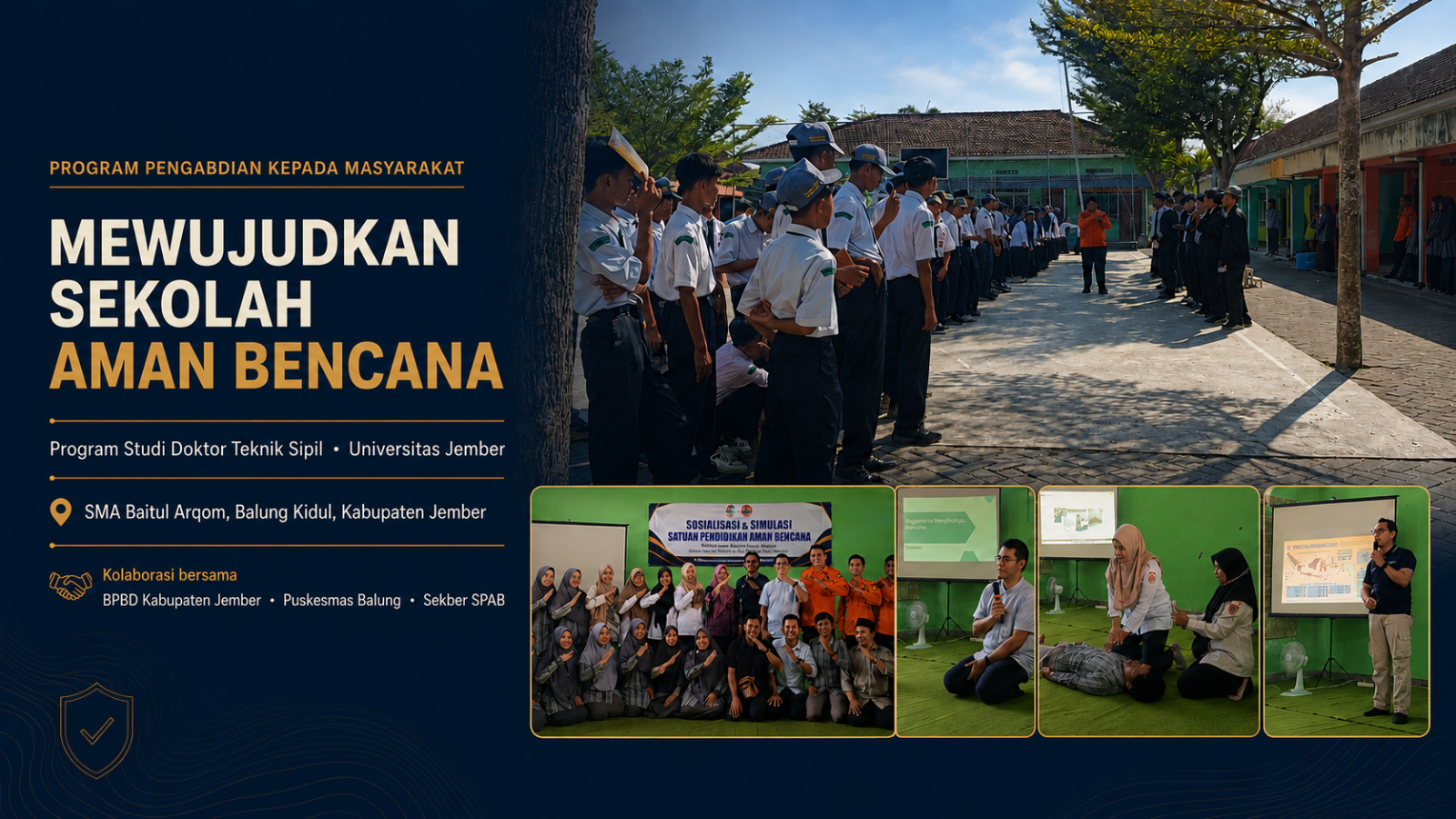
Community Service Collaboration Strengthens Multi Hazard Awareness at Baitul Arqom High School
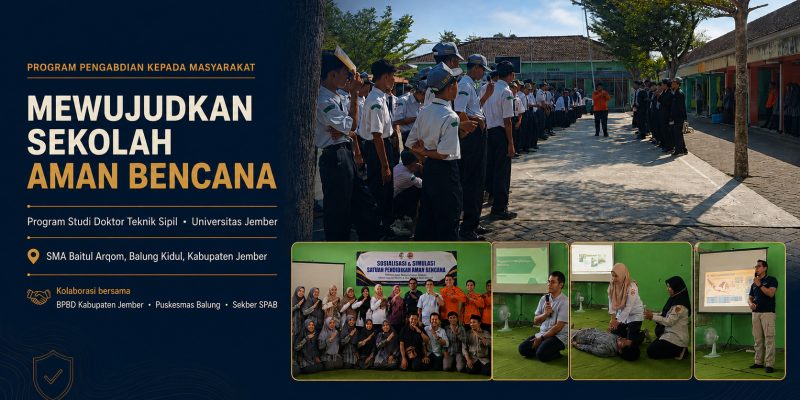
Disasters can strike at any time, but their impact can be mitigated when school communities have the knowledge, skills, and readiness to take action. In response to this need, the Civil Engineering Doctoral Program at the University of Jember organized a community service activity themed *“Creating Disaster-Resilient Schools”* at Baitul Arqom High School in Balung Kidul, Jember Regency. This activity was carried out in collaboration with *the Jember Regency Disaster Management Agency (BPBD), the Balung Community Health Center, and the Joint Secretariat for Disaster-Safe Education Units (SPAB)*. The collaboration between the university, local government, health workers, disaster response communities, and the school provided a learning experience that combined scientific knowledge, emergency response experience, and preparedness practices that can be applied in daily life.